Get Out of the Lab to Tell Your Cleantech Story
Juan Alfonso • August 27, 2025
Your technology is perfected in a laboratory environment, but your impact is created outside of it. You can have the most rigorously engineered solution in your field, but if your audience only sees numbers, they’ll tune out. Data alone won’t attract investment, talent, or first customers.
To break through, you need to show what your innovation actually does in the real world. The stories are what breathe life into the charts and validation into the data.
1. People Connect with Stories, Not Specs
Your technical breakthrough are impressive—but your audience first needs to know why it matters. Investors, media, and customers see your solution through a meta story lens that eminates from the limbic brain. That’s the grabber. The technical specs that require due diligence come later.
Instead of sharing capture rates or efficiency thresholds, tell how your oil spill adsorbent saved a local fishing industry that goes back generations and sustains a local economy while protecting endangered sealife and birds.
2. Storytelling Builds Trust and Action
Numbers can inform—but stories inspire. According to Mindy Grossman at WEF, storytelling isn’t just a marketing tactic—it’s a leadership strategy that triggers trust and motivates action. Stories release oxytocin and spark neural coupling—your brain syncing with your audience’s brain.
That means a well told story makes people feel part of your mission—not just observers of it.
3. Translate Complexity into Emotional Clarity
Your breakthrough might depend on advanced algorithms, rare earth chemistry, or nano scale engineering—but you don’t need to lead with that.
Compare these:
• Technical: “Our system optimizes load shifting across distributed DER assets using predictive analytics.”
• Story-based: “Local ratepayers already suffering from high inflation were spared a spike in their utility bills because the utility could meet electricity demand instead of spending billions on a new power plant.
One feels like a white paper. The other feels like a hero’s journey—with your tech as the hero.
4. Share Stories Where They Happen
Great storytelling isn’t confined to scripted videos or PDFs—it lives in blogs, podcasts, speaking panels, media interviews, or even your company newsletter.
The outcomes of your clean technology matter more to your audience than your inputs, impressive as they may be. Capture those real narratives. That’s the raw material investors, customers, and your team love.
Final Thoughts
Your company wasn’t founded to collect data. It was founded to create change. And change is felt—not measured.
If your story stays on a spreadsheet, your message stays behind closed doors. But when you bring that innovation into real-world context—how it impacts people, communities, and industries—it stops being just technology. It becomes a catalyst.
Get out of the lab. Go tell your story. Because impact is only as good as the audience it reaches.

What clean energy developers can learn from The Petroleum Papers about community opposition, fossil fuel front groups, permitting fights, and project approval strategy.
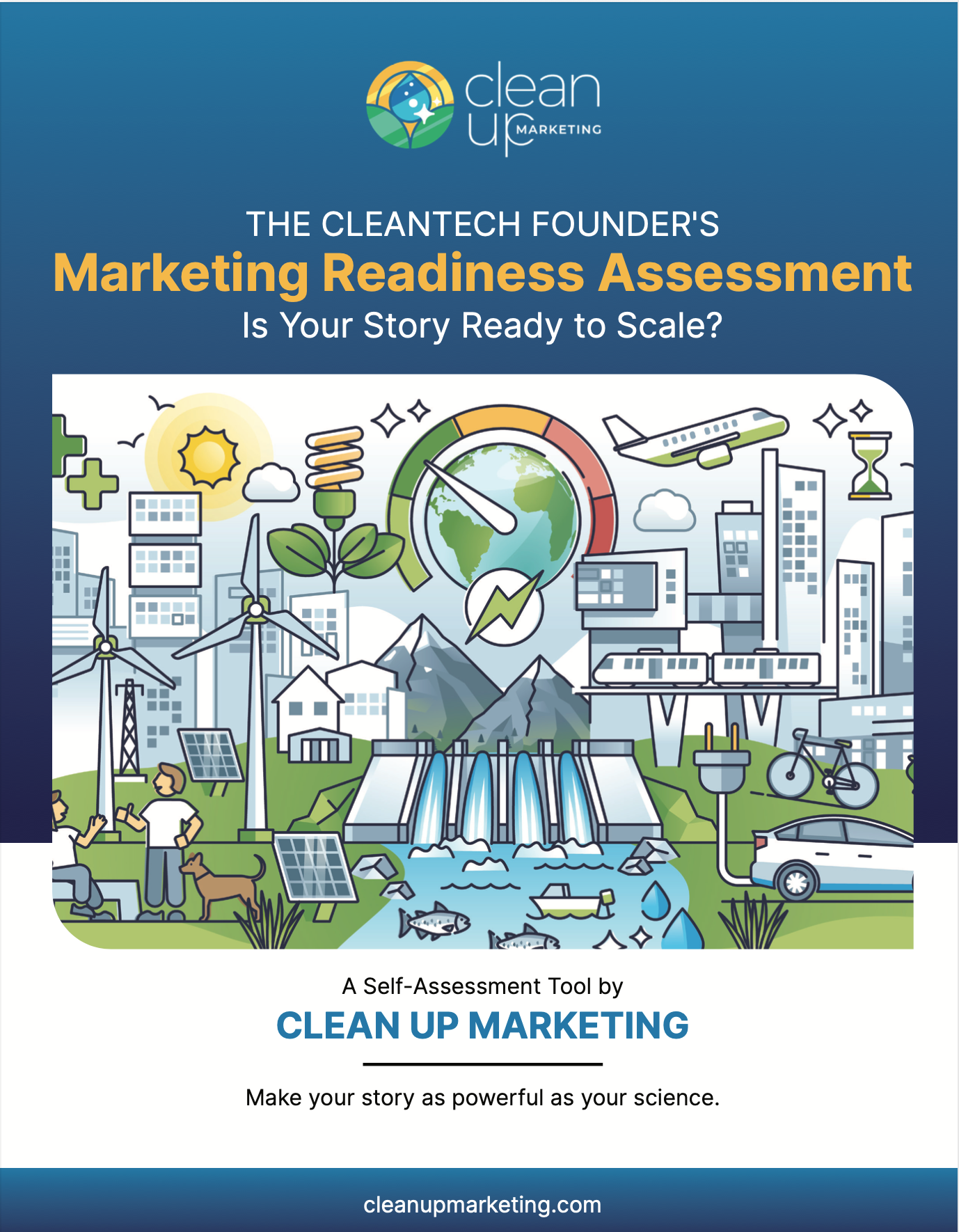
A practical guide for cleantech founders to test whether their message, website, pitch, and marketing systems are ready to support funding, pilots, and growth.

Everyone is hiring for “GTM,” but few define it clearly. Here’s what go-to-market actually means in cleantech, where it fits, and why it matters for revenue.

Scientists and engineers are trained for deep focus. Investors and customers skim screens. Here’s why cleantech founders lose attention—and how to make their technology easier to remember.
Your climate tech pitch is getting interest—but no second meeting. Here’s why investors and pilot partners aren’t moving forward, and how to build a message that makes the business case clear and drives real decisions.

Most cleantech companies compete on performance. The ones that win become the reference point everyone else is compared to. Here’s how category leadership actually works—and why clarity, not specs, determines who gets remembered.
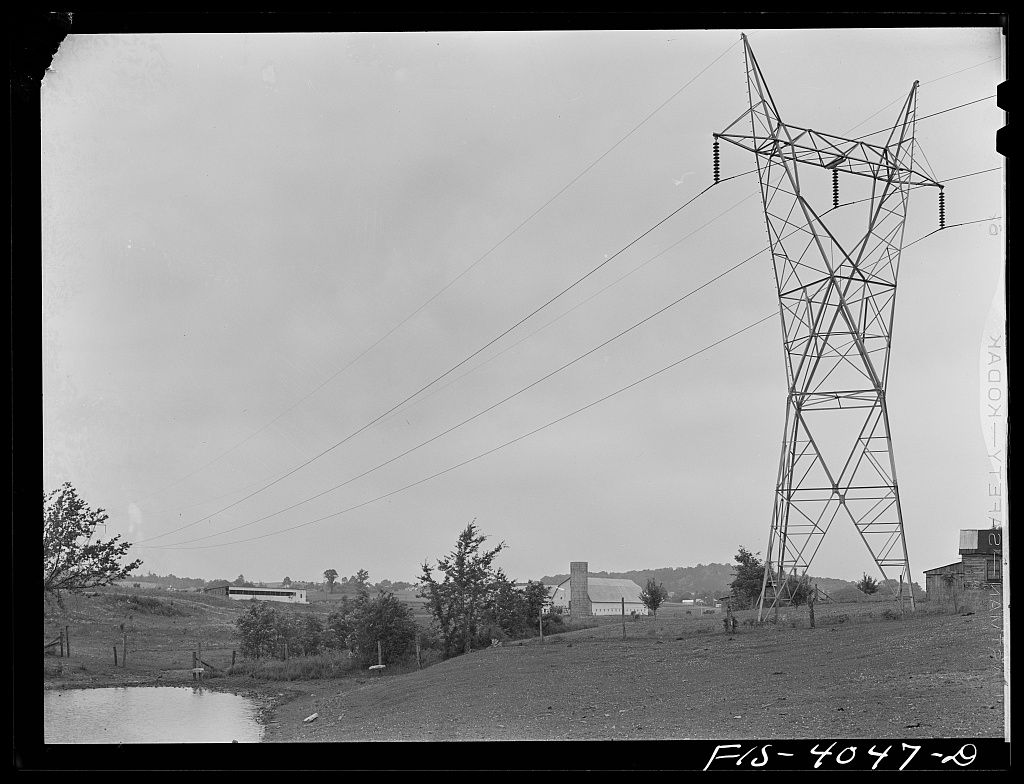
Support for renewables is weakening, and data centers face backlash. Here’s why energy projects are getting caught in the crossfire—and what developers must change to win approval.

When your value proposition turns into a list, deals slow down. Learn how one clear promise helps investors and buyers understand, explain, and approve your cleantech solution faster.
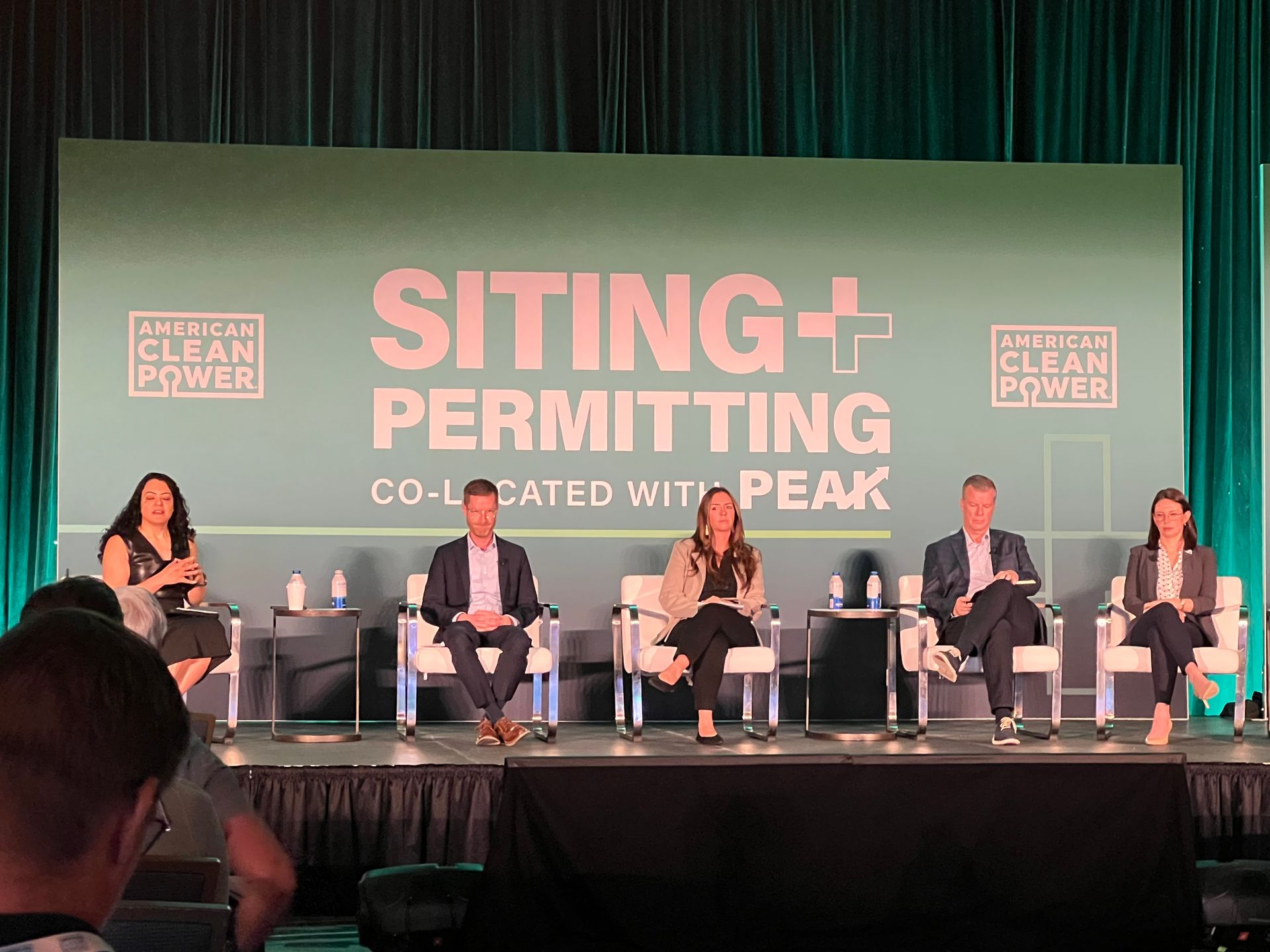
Why clean energy projects fail permitting in 2026—and what developers must change: early outreach, local messengers, and digital campaigns that define the fight before opposition does.